
PRESERVING THE BEAUTY OF SEDALLO FABRICS
Sedallo fabrics are designed to bring character, comfort, and elegance to interiors. Whether used for upholstery, cushions, curtains, headboards, or decorative wall applications, proper care helps preserve their appearance, texture, and performance over time.
Each fabric has its own specific maintenance instructions, which should always be consulted before cleaning. The following guidelines offer general recommendations to help keep Sedallo fabrics beautiful in everyday use.
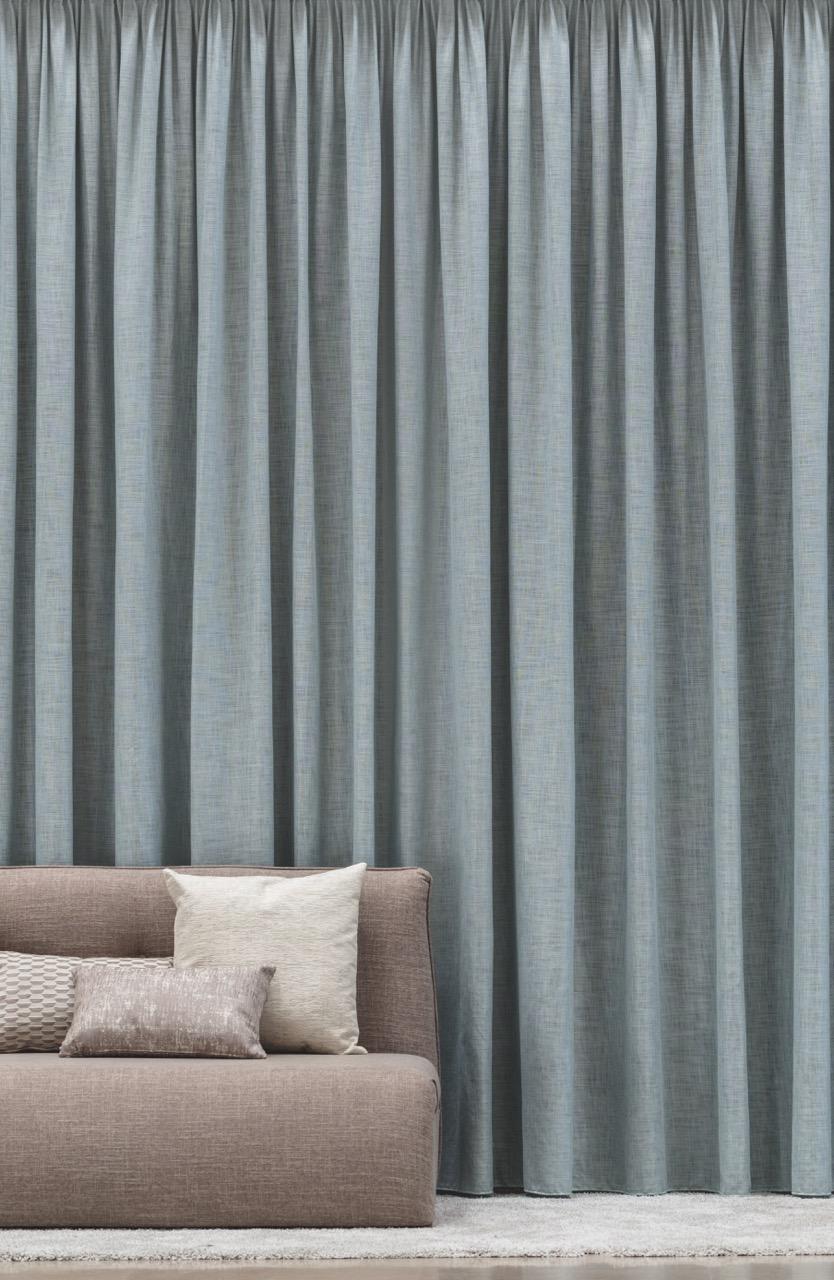
General Care
Regular, gentle maintenance is the best way to preserve the original look and feel of the fabric.
Dust and surface particles should be removed frequently using a vacuum cleaner with a soft upholstery attachment. This is especially important for upholstered furniture, headboards, cushions, and wall applications, where dust can settle into the weave or pile over time.
For curtains, regular light vacuuming or gentle shaking helps prevent dust accumulation and keeps the fabric hanging naturally.
Avoid using hard brushes, abrasive sponges, or aggressive cleaning tools, as they may damage the surface of the fabric.
Protection from Light and Heat
As with all fine interior materials, prolonged exposure to direct sunlight may cause gradual fading or changes in color. When possible, avoid placing upholstered items, cushions, headboards, or decorative panels in areas exposed to strong, continuous sunlight.
Curtains are naturally more exposed to light. To help preserve their appearance, consider using lining, sheers, or appropriate shading systems where necessary.
Fabrics should also be kept away from direct heat sources such as radiators, fireplaces, or heating vents, which may affect fibers, finishes, or dimensional stability over time.
Everyday Use
For upholstery and cushions, rotate and reposition loose elements regularly to encourage even wear. Seat cushions, back cushions, and decorative pillows may develop natural signs of use over time; regular plumping and reshaping help maintain their volume and appearance.
Headboards and wall applications should be protected from repeated friction, sharp objects, and contact with hair products, cosmetics, or oils, which may gradually affect the fabric surface.
For curtains, ensure the fabric can move freely and does not constantly rub against rough surfaces, window frames, or furniture.
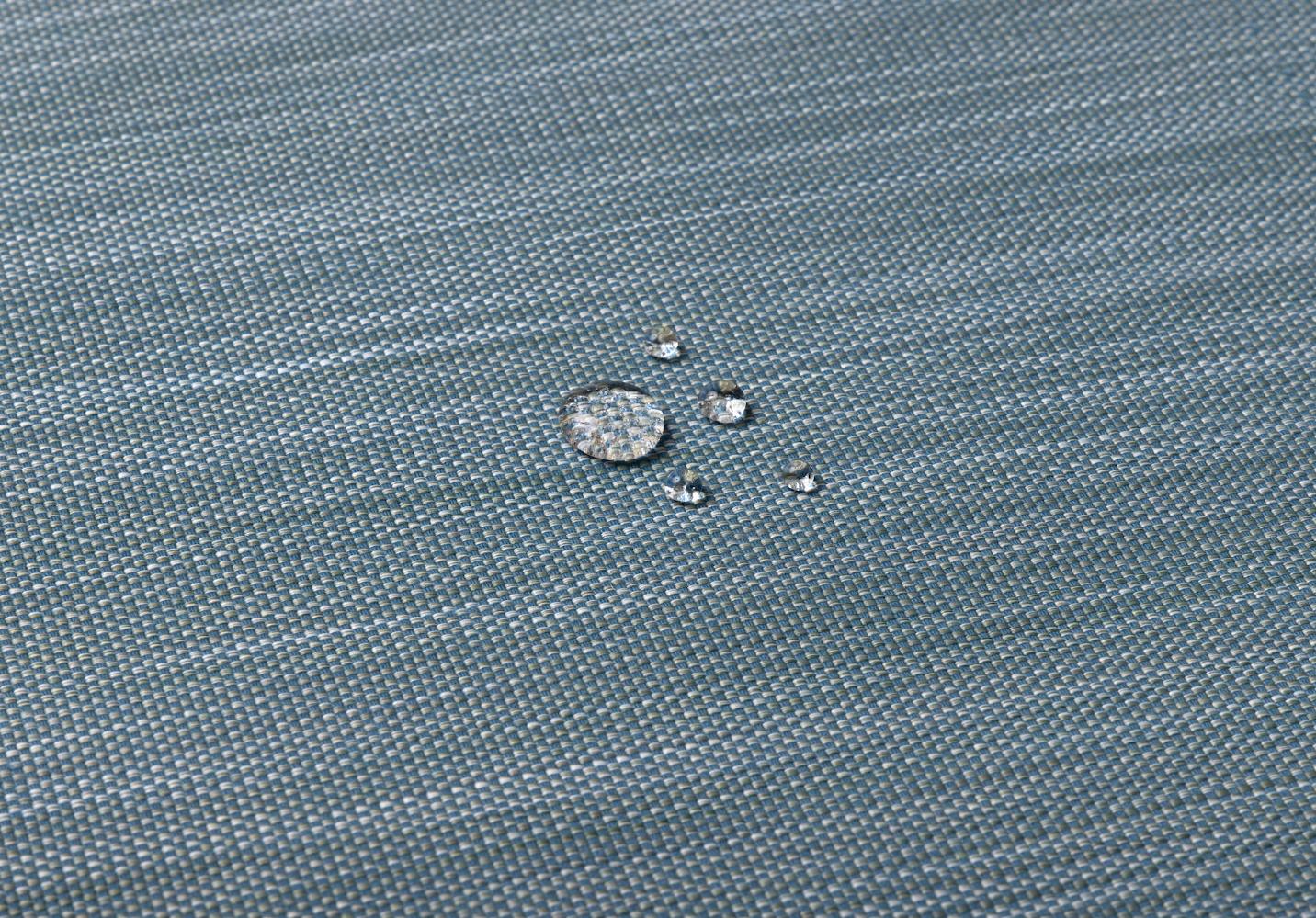
Spills and Stains
Accidental spills should be treated promptly. Remove any excess liquid or residue with a clean, absorbent cloth, working gently and without rubbing. Rubbing may push the stain deeper into the fibers or alter the surface texture.
Always follow the specific cleaning instructions indicated for the individual fabric. Before applying any cleaning method or product, test it on a hidden area.
Avoid bleach, harsh detergents, solvents, or alcohol-based products unless they are specifically allowed in the fabric’s care instructions.
Professional Cleaning
For deep cleaning, delicate materials, large surfaces, curtains, fixed upholstery, headboards, or wall applications, professional cleaning is recommended.
Professional care is especially important when the fabric is part of a finished product or installation, where incorrect cleaning may affect not only the textile but also padding, lining, adhesives, or construction materials.
Important Reminder
These are general care recommendations. For precise maintenance instructions, always refer to the individual fabric page, where cleaning symbols and fabric-specific notes are provided.
Stain-Repellent Fabrics Care
Our credo is that fabrics not only should be beautiful, with fine colors and pleasant to the touch, but also comfortable to use and maintain. That is why most of our fabrics are treated with Alta™ stain-repellent finish.
Features
- Stain repellency: oil and water based stains
- Easy cleanability
- Permanent
Reduced Environmental Impact
- Free of any solvents or VOCs
- PFOA/PFOS-FREE
- Water-based technology
- Complies with EPA, CAL Prop 65 and REACH standards

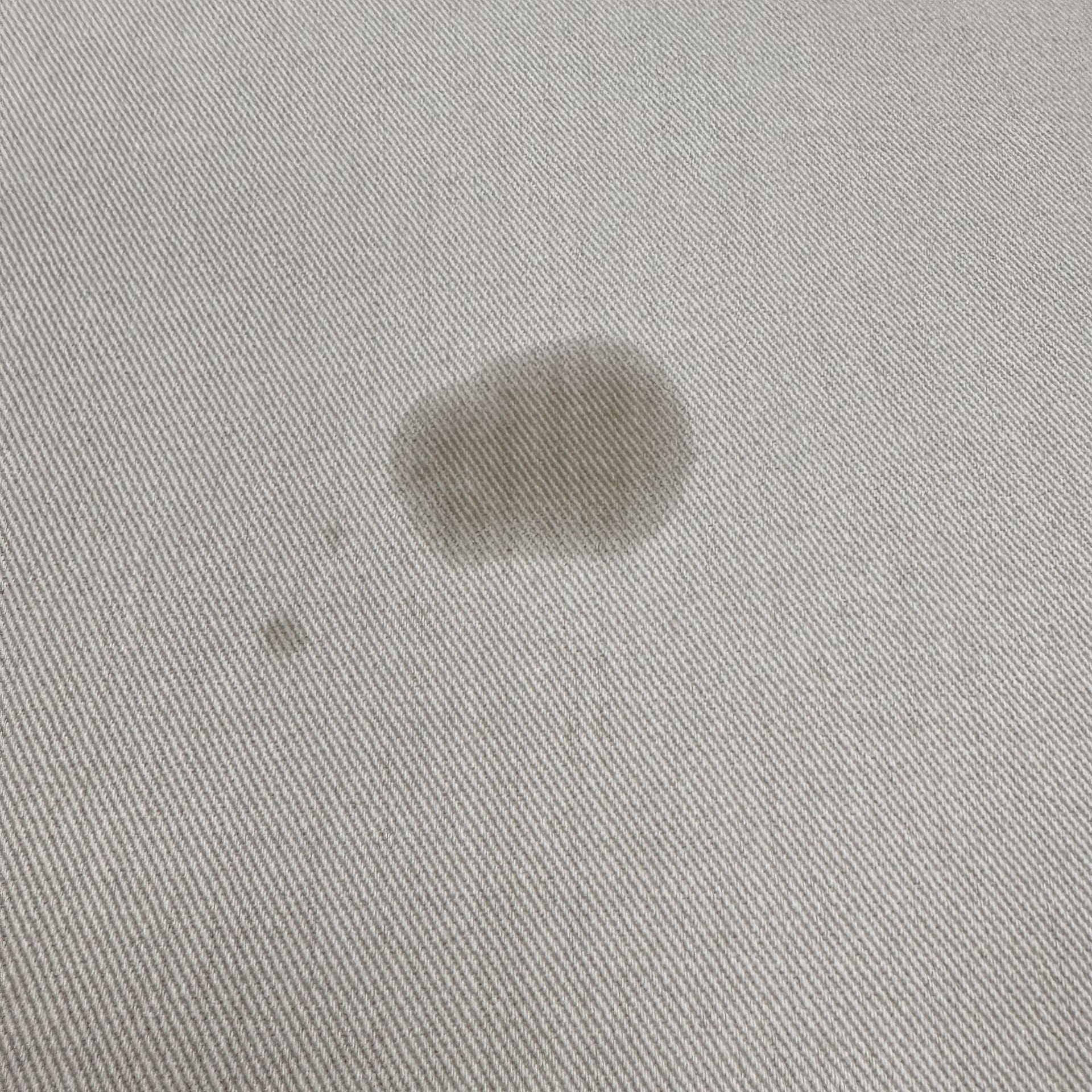
Without Treatment
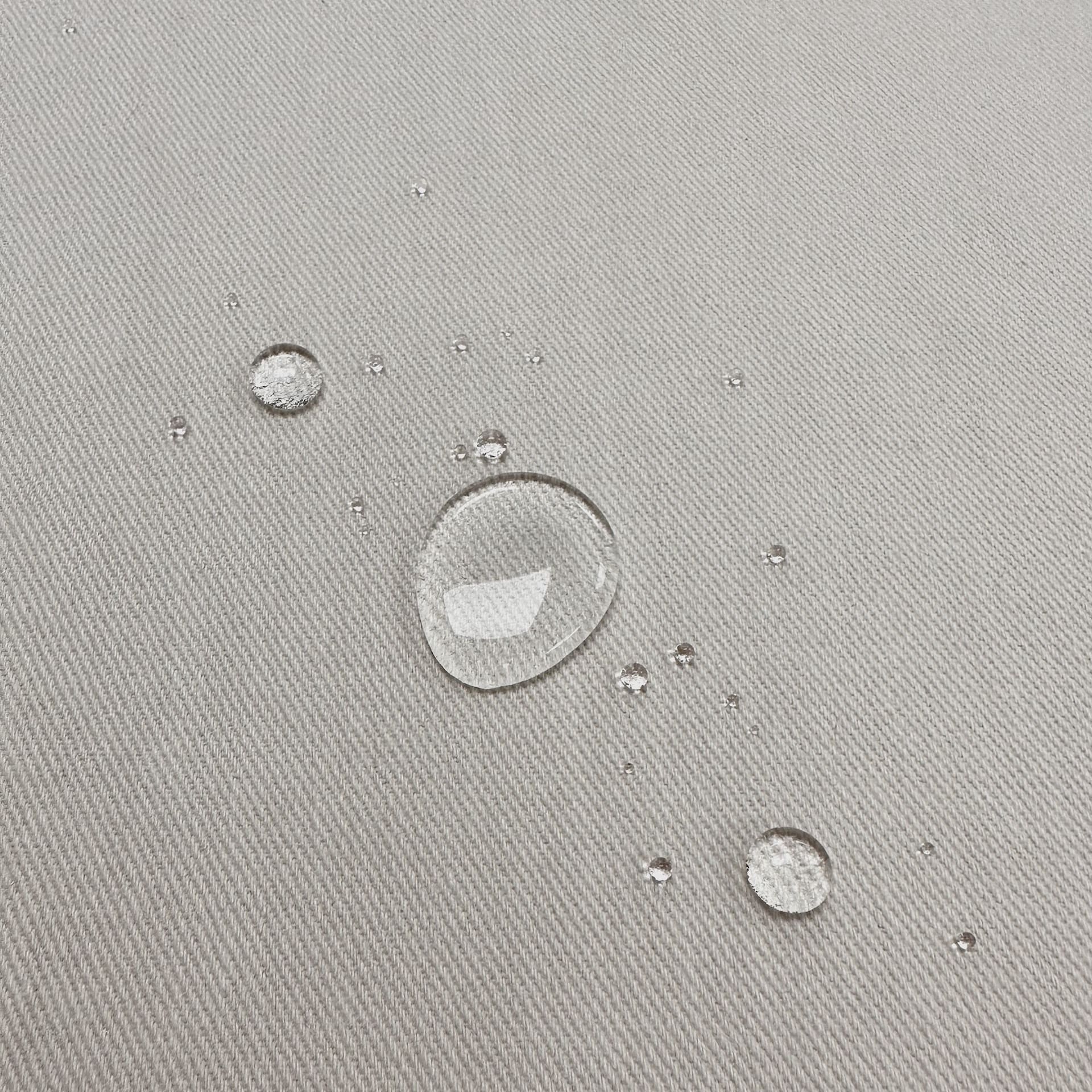
With Stain-Repellent Treatment
How to clean spills on fabrics treated with stain-repellent finish
Cleaning 18 hours stains on fabrics treated with stain-repellent finish
Outdoor Fabric Care and Cleaning Guide
SEDALLO outdoor fabrics are designed to offer beauty, comfort, and performance in exterior environments. Their yarns and finishes are selected to resist fading, moisture, mildew, and the effects of everyday outdoor use.
Regular maintenance is recommended to ensure our outdoor textiles remain in optimal condition. To prevent dirt from settling into the fabric, gently brush it off before it becomes embedded. Address liquid spills immediately by blotting them, and treat stains according to the guidelines below.
The yarns in our outdoor fabrics are designed to resist fading, repel water, withstand bleach cleaning, and endure consistent exposure to environmental factors such as sunlight, heat, humidity, and weather. A special finish enhances their water-repellent properties and can be reapplied as needed, particularly in high-traffic areas or spaces frequently exposed to the elements.
For fabric-specific instructions, always refer to the individual fabric page.
Notes
- Our outdoor fabrics are mildew-resistant when used with flow-through cushion inserts for consistent outdoor use. However, mildew may form if indoor cushions are exposed to rain.
- Outdoor fabrics should not be backed when used outdoors.
- Regular care and cleaning of all outdoor fabrics are recommended to ensure optimal performance.
Routine Upkeep and Cleaning
- Frequently dust the fabric with a soft, dry cloth or lightly vacuum to remove lingering dust or dirt particles.
- Sweep away any loose debris.
- Mix a cleaning solution using 2 ounces, or ¼ cup, of mild soap per gallon of slightly warm water, between 80°F and 90°F.
- Wipe the surface using a sponge or cloth.
- Allow the cleaning solution to soak into the fabric.
- Rinse thoroughly to remove all soap residue.
- Allow the fabric to air dry.
Handling Liquid Spills
Immediately blot liquid spills with a soft, dry cloth. If a stain remains after drying, proceed with spot cleaning.
Spot Cleaning
- Lightly spray the stained area with a mild soap and water solution using a spray bottle.
- Gently work the solution into the stain by scrubbing with a sponge or cloth, applying light pressure to avoid damaging the fabric fibers.
- Rinse thoroughly to remove all soap residue.
- Use a clean, soft towel or sponge to blot away excess moisture.
- For best results, use a handheld wet/dry extractor to fully remove moisture from the area.
- Allow the fabric to air dry, repeating the rinsing and blotting steps as needed until all soap residue is removed.
Cleaning Removable Fabrics
Hand Washing
- Soak the fabric in a mixture of ¼ cup mild soap per gallon of slightly warm water, between 80°F and 90°F.
- Gently clean using a sponge or soft-bristle brush if needed.
- Rinse thoroughly to ensure all soap is removed.
- Allow the fabric to air dry.
Machine Washing
- Wash in cold water, below 100°F/38°C, on the delicate cycle.
- Use a regular amount of mild laundry detergent based on the load size. For severe mold or mildew, add 8 ounces, or 1 cup, of bleach.
- Let the fabric air dry.
- Do not use a tumble dryer.
Note: Results may vary depending on cushion construction. Consult your upholsterer before machine washing.
Cleaning Non-Removable Fabrics
Mix a solution of ¼ cup mild soap per gallon of lukewarm water. Gently clean the fabric with a soft-bristle brush, allowing the solution to penetrate. Rinse well to ensure all soap is removed, then let the fabric air dry.
For optimal results when cleaning upholstery, clean the entire fabric surface from seam to seam rather than scrubbing the spill in a circular motion. This method, especially when used with an extractor, can help prevent water rings and residue.
Intensive Cleaning for Tough Stains and Mildew
Mildew may form on dirt or debris left on fabric when regular maintenance is lacking.
- Mix a solution of 4 ounces, or ½ cup, of bleach and 1 ounce, or ⅛ cup, of mild soap per ½ gallon of clean water.
- Spray the entire affected area and let the solution soak into the fabric for 15 minutes.
- Use a sponge, clean towel, or very soft-bristle brush to remove the stain.
- Rinse completely to remove all traces of soap.
- Let the fabric air dry.
For severe stains or mildew, the amount of bleach may be slightly increased. Be careful not to exceed a solution of 8–10% bleach mixed with 90–92% clean water.
For specific tough stains, refer to a professional stain-removal chart, such as Stain Devil.
Storage and Seasonal Care
Outdoor fabrics should not be stored while damp.
Before storage, make sure cushions, covers, and upholstered elements are clean and fully dry. Store them in a dry, ventilated place whenever possible.
Avoid leaving indoor cushion inserts exposed to rain. For consistent outdoor use, flow-through outdoor inserts are recommended.
During long periods of non-use, protect fabrics from excessive dirt, moisture accumulation, and prolonged exposure to harsh weather conditions.
Additional Care Instructions
- Always rinse outdoor fabrics thoroughly after using a bleach solution. A handheld wet/dry vacuum with a brand-new or very clean nozzle is recommended to effectively flush the affected area and remove moisture.
- Our outdoor textiles dry very quickly in the air. Avoid machine drying, as it can damage the fabric.
- If the fabric appears wrinkled after drying, use an iron set to the synthetic setting only. Do not exceed 150°F/66°C. Iron on the reverse side using a protective cloth.
- Since some irons can exceed the recommended temperature even on the synthetic setting, test a small, inconspicuous area before ironing the entire piece.
- Do not use a steamer or set the iron to the steam setting.
- Do not dry-clean outdoor fabrics.
- When evaluating a professional cleaning service, ask about their experience with solution-dyed fabrics and their understanding of cleaning and retreatment requirements.
Important Reminder
Sedallo outdoor fabrics are designed for exterior use, but their performance and appearance depend on correct care.
Regular cleaning, prompt treatment of spills, thorough rinsing, and complete air drying are essential to preserve the fabric over time.
Always refer to the individual fabric page for specific care symbols, technical cleaning instructions, and any fabric-specific notes.
Velvet Care for Upholstery and Drapery
Velvet is prized in interiors for its soft hand, visual depth, and the way it catches light. Its beauty comes from the pile: a raised surface that reflects light differently depending on direction, pressure, and use. Because of this, slight tonal shifts, pressure marks, crushed areas, and changes in sheen are often natural characteristics of velvet rather than defects.
Before any care or cleaning method is used, always review the fabric’s technical information, care symbols, and cleaning code. Velvet is not a single category: fiber content, construction, finish, and intended use all influence how the textile should be maintained.
Natural-fiber velvets such as cotton, mohair, and wool offer a rich and elegant appearance, but they may require more delicate handling. Viscose, rayon, and silk velvets are especially sensitive to water, aggressive cleaning agents, and pile distortion, and are often best handled by professional cleaners. Synthetic and performance velvets, including many polyester, acrylic, and solution-dyed acrylic qualities, are generally more practical for everyday use and may offer greater resistance to staining, fading, or moisture. However, the correct care method should always be based on the specific fabric, not on the word “velvet” alone.

For routine maintenance, vacuum regularly using a soft upholstery attachment, ideally at reduced suction, to remove dust and grit before they settle into the pile. Brush lightly with a very soft brush in the direction of the nap. On upholstered seating, rotate cushions where possible and avoid leaving heavy objects in one place for long periods, as pressure marks can become more visible over time. Keep velvet away from prolonged direct sunlight, radiators, and other heat sources, which may fade, dry, or stress the fibers.
For velvet drapery, use draw rods or cords where possible to reduce frequent hand contact with the fabric. Lining or interlining may also help improve the drape, protect the textile, and reduce exposure to sunlight.
If the pile appears flattened or marked, the first response should be gentle pile recovery rather than intensive cleaning. In many cases, light steaming from a distance, never pressing the steamer or iron directly onto the fabric, followed by very gentle brushing in the direction of the nap, can help lift the pile and soften pressure marks. Always test any method in an inconspicuous area first and avoid over-wetting the surface. Pile recovery should not be confused with deep steam cleaning, which may be unsuitable for many velvets.
When a spill occurs, act quickly and gently. Lift any solid matter with a spoon or dull spatula, then blot liquids with a clean, white, absorbent cloth. Never rub. Rubbing can spread the stain, compact the pile, and cause permanent shading or distortion.
If the fabric’s cleaning code allows water-based care, continue with a small amount of lukewarm water or a very mild detergent applied to the cloth, not directly to the fabric. Work carefully and avoid saturating the area. If the fabric is marked dry-clean only, solvent-clean only, or is made from sensitive fibers such as viscose or silk, stop after blotting and contact a professional cleaner. Avoid bleach, ammonia, concentrated detergents, alcohol-based spot removers, excessive heat, and any unapproved cleaning products.
Velvet rewards regular, thoughtful care. With consistent vacuuming, light brushing in the direction of the nap, prompt spill response, protection from prolonged sun and heat, and respect for the fabric’s cleaning instructions, a well-chosen velvet can maintain its elegance, depth of color, and tactile richness for many years.
These are general care recommendations. For precise maintenance instructions, always refer to the individual fabric page, where cleaning symbols and fabric-specific notes are provided.